AI · Embedded · Medical-Grade Hardware
We design the electronics, write the firmware, and train the AI that runs on it. All of it held to the standard regulated medical devices demand. Concept through production, for healthcare, training simulators, and industrial systems.
Medical Device Manufacturers • Deep-Tech Founders • Regulated & NDA-First Engagements
NDA available · Direct engineer-to-engineer · Technical discussion only
Our Differentiator
We own the whole stack. The board, the firmware, and the models that run on top of it. Because we build all three, they get designed against each other instead of around each other. Same standard we hold for regulated medical work.
The practical result is inference that happens on the device. Nothing leaves it, nothing waits on a network. In the places this hardware ends up, that matters more than raw throughput.
Our models run on our own silicon. Real-time, and private by construction.
Real-time control, sensor fusion, secure low-power system integration.
Analog front-ends, low-noise design, signal integrity, manufacturability.
Traceability, risk analysis, and verification hold up everything above.
We take the whole product, from architecture and silicon through AI, software, and production.
Custom electronics, PCB development, and device-level architecture. We pick components with the regulatory path and the factory in mind, not just the datasheet.
Real-time firmware, RTOS work, sensor interfaces, and the protocols that tie a device together.
Our own models, running on our own hardware. Real-time inference and sensor intelligence inside tight power and latency budgets.
Where the hardware ends and the software starts, what each side owes the other, and whether the whole thing is feasible. Settled before anyone writes code.
Validation, traceability, risk analysis, and the verification planning an audit will ask for. Plus the handoff to manufacturing.
Native iOS and Android apps, secure device connectivity, and backends that respect what the hardware can actually do.
We stay accountable for the architecture for the life of the product.
Not Only Medical
Same engineering discipline, different rooms.
EEG, ECG, vital-signs monitoring, wearables, and connected therapy systems built to FDA / EU MDR expectations.
Computer vision and inference running on hardware we built. No cloud in the loop.
Training platforms and serious games, with the hardware and real-time interaction behind them.
Physics-accurate environments for procedural training, where timing is the whole point.
Process monitoring, lab instruments, and analytical hardware with high-sensitivity sensing and on-device AI.
Connected industrial devices, edge gateways, and embedded intelligence built for long service lives.
How a regulated hardware or AI program actually runs here.
We agree on objectives, constraints, and the regulatory context first. Architecture, interface contracts, and a risk framework get settled before anyone builds.
Electronics, firmware, signal integrity, power budgets, and the inference layer move in parallel, under system-level control.
Connectivity, mobile, and backend software get built around what the device can do and what the data rules require.
Traceability, verification artifacts, and risk controls get organized so an audit does not become a project of its own.
Decisions get checked against manufacturing, servicing, and how the product will change over years.
Full-cycle work, from architecture and hardware through AI, verification, and production.
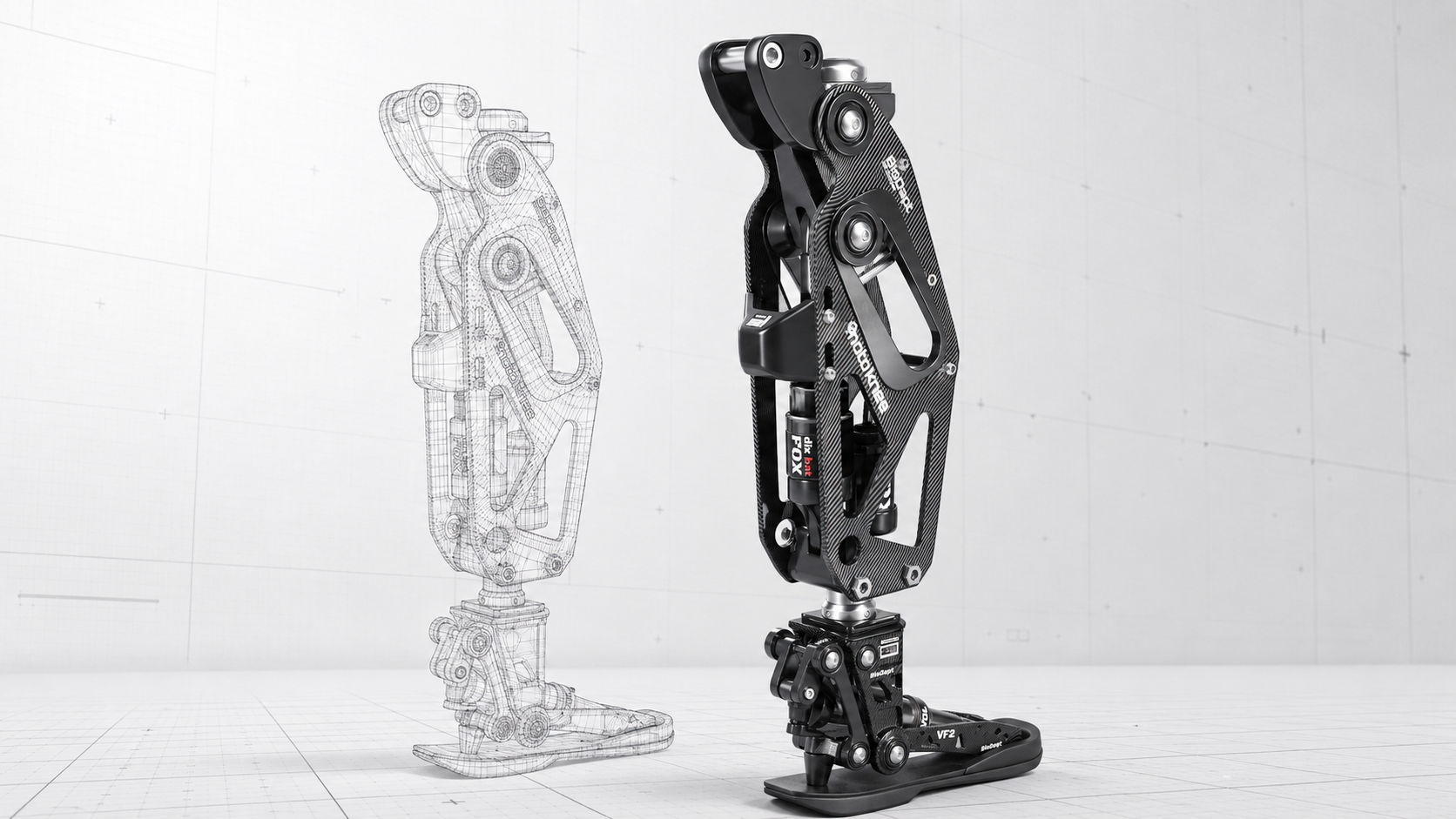
Physics-accurate simulation paired with high-performance biomechanical hardware built for real dynamic loads.
View case →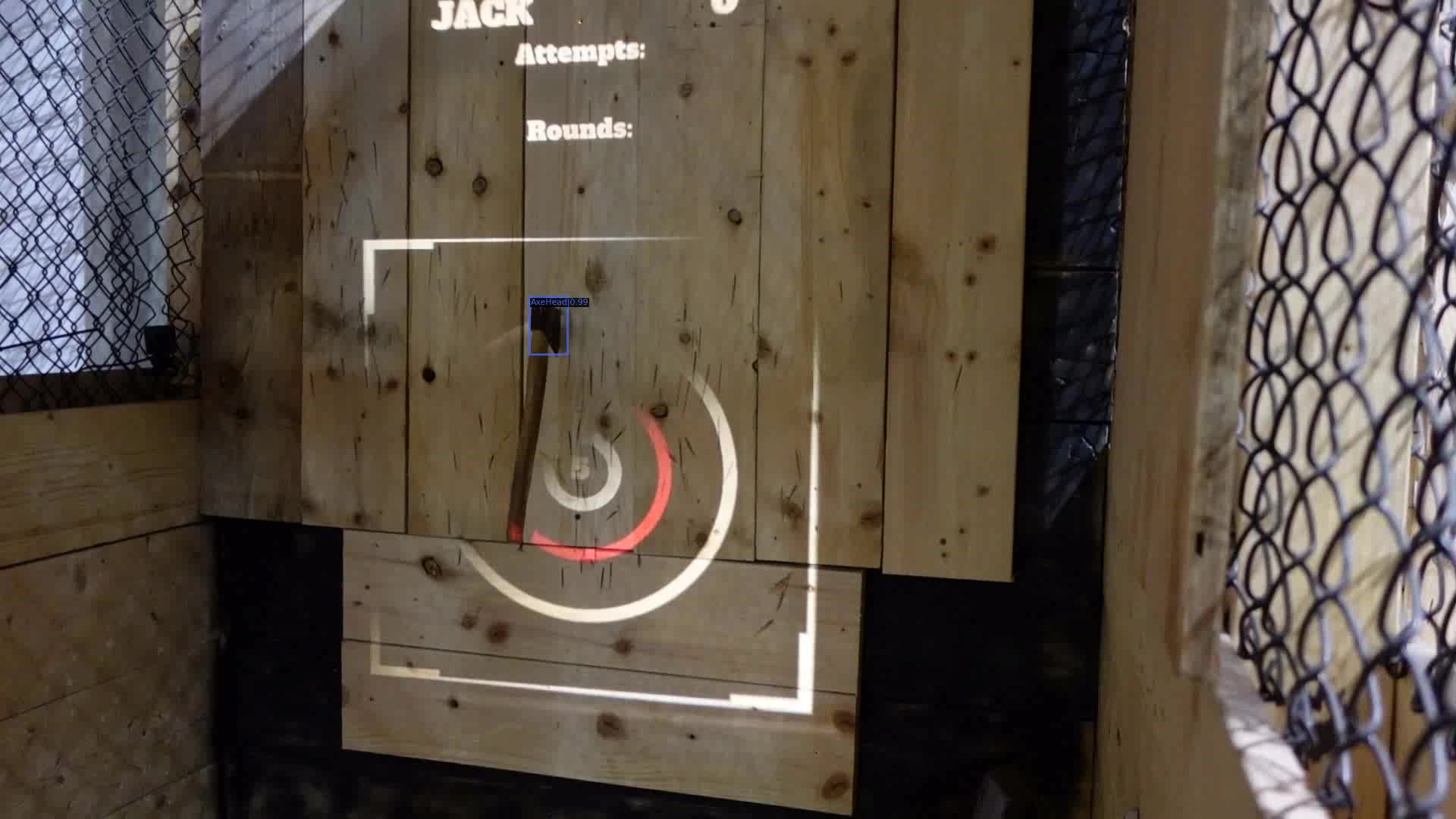
A projection-based axe game on a custom IoT device - computer vision detects each axe strike in real time.
View case →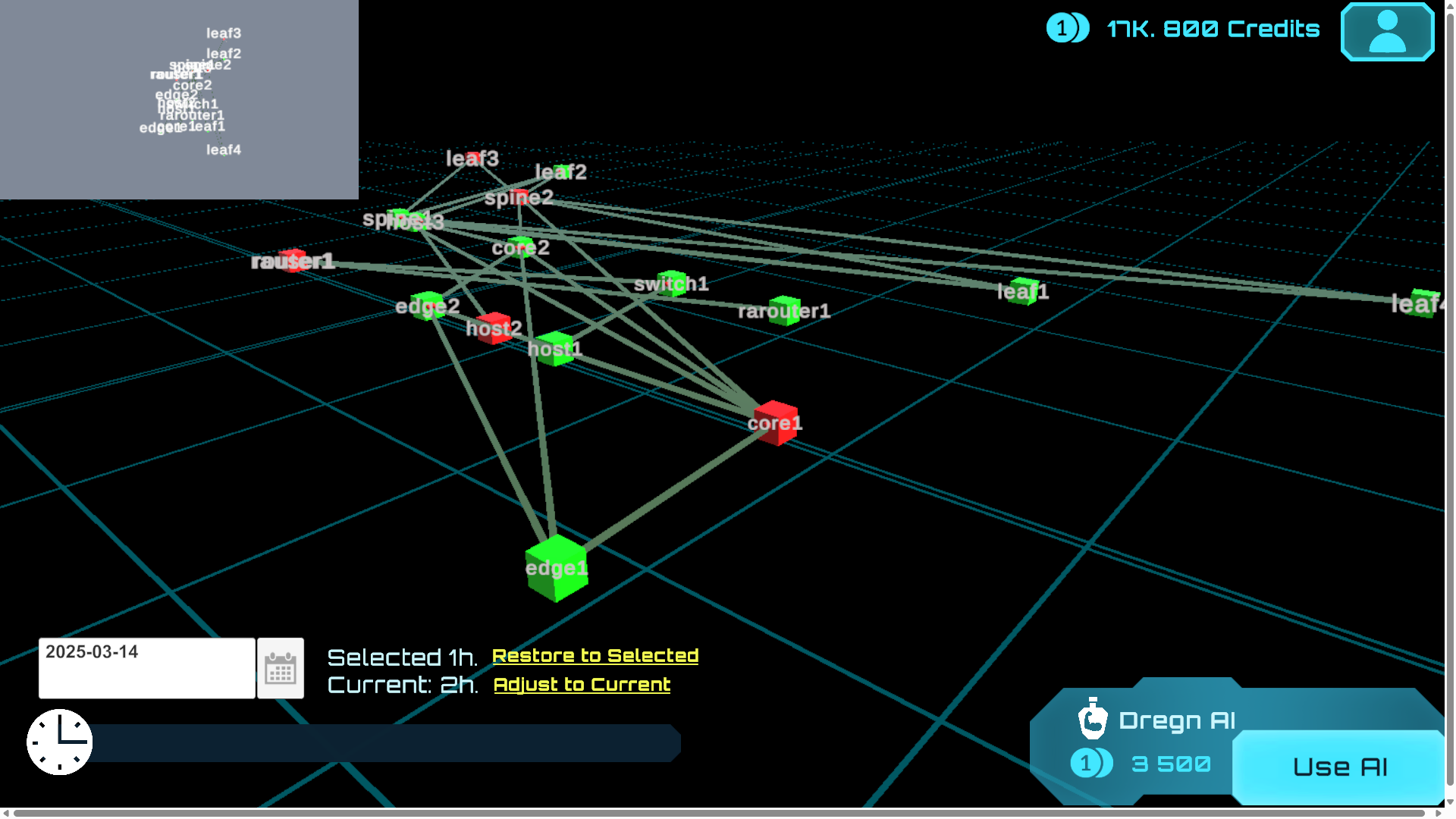
AI builds the topology, you drive the real hardware by voice and watch the traffic move. Any past hour can be restored.
View case →
Molecular structures you can pick up and turn over in 3D.
View case →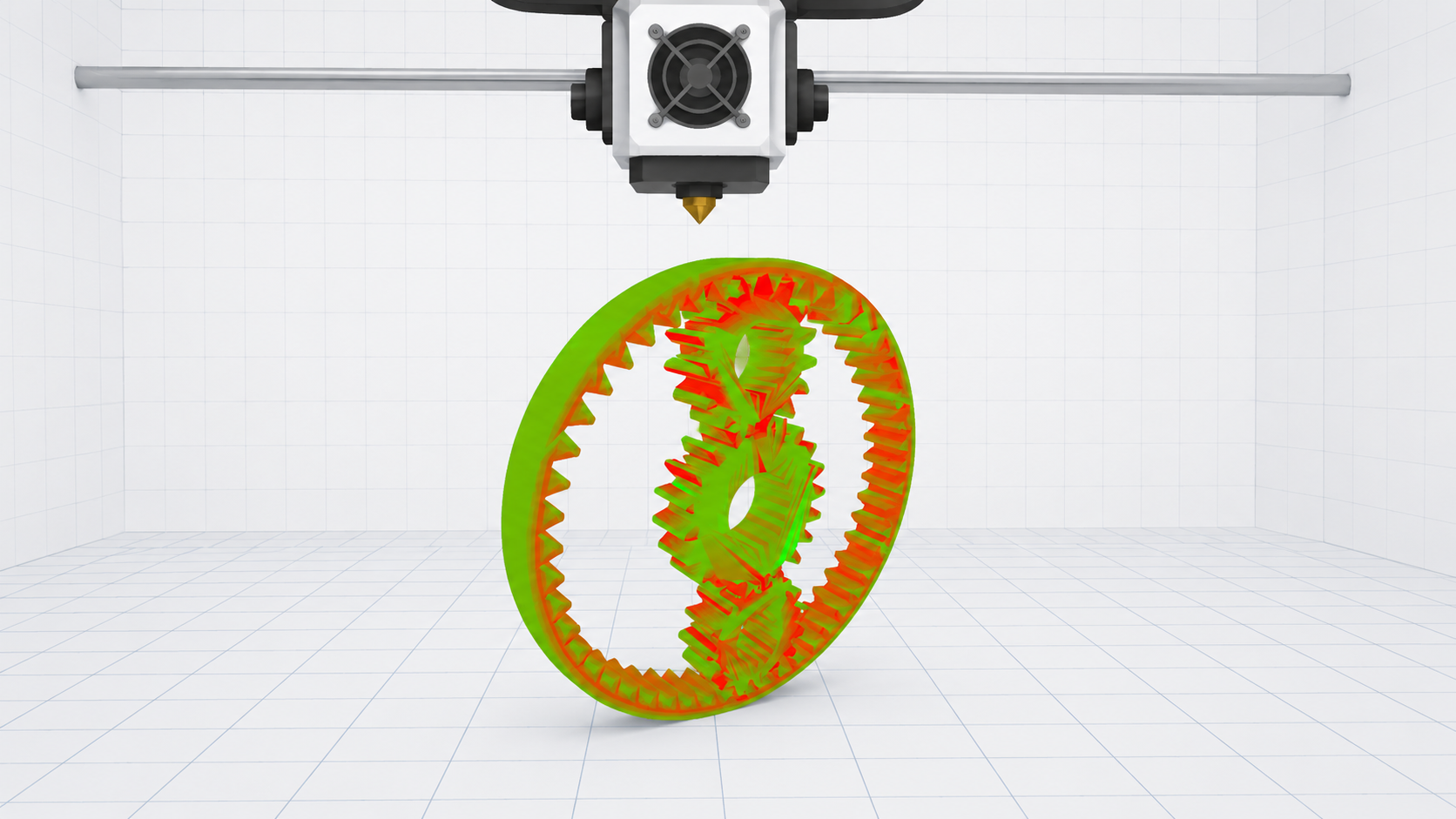
Pick a printer, load your model, and see which parts will fail on that machine before you print it.
View case →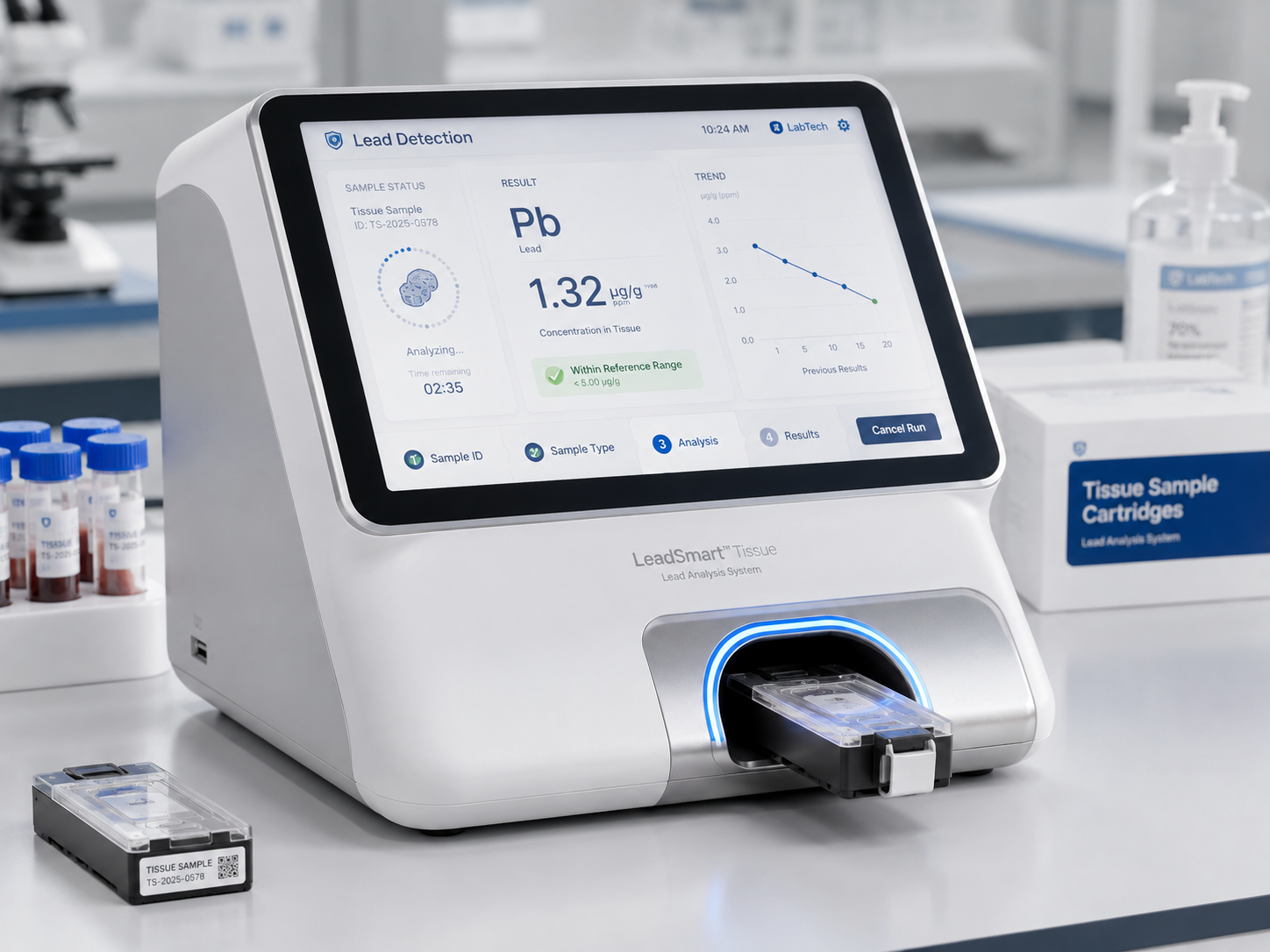
An instrument that measures lead in human tissue. We built its carrier board and the Linux BSP that brings it up.
View case →Confidentiality from day one.
Security and protected health data handled in the design, not bolted on.
Development structured around design controls, risk analysis, and verification.
Medical device workflows aligned with European regulatory expectations.
Quality management reflected in how we work.
Medical device quality system requirements considered during development.
Accountability you can point at, and hardware-first thinking.
Explicit boundaries and documented decisions from day one.
Device constraints drive the software and the AI, not the other way round.
We have done traceability, risk analysis, and verification strategy on real submissions.
Hardware, firmware, AI, connectivity, apps. One team, one system.
You talk to the engineers who own the scope and the risk.
Designed for the factory (DFM/DFA) and for the years after it ships.
We develop our own AI on hardware we engineer to medical grade, and we own the architecture.
We take products end to end. Custom electronics, firmware, on-device AI, apps, backends. The discipline comes from regulated medical work, and we apply it everywhere, including the projects that are not medical.
We set the architecture, the boundaries, and the interfaces at the start. Trade-offs get written down, so six months in nobody is guessing why a decision was made.
Because we build the board, the firmware, and the models together, the intelligence runs on the device. No third-party black box in the middle.
Traceability, risk analysis, and failure modes are part of development from the start. Retrofitting them later costs far more than doing it early.
Hardware, embedded, on-device AI, connectivity, mobile, backends. What ships is a working device and the systems around it.
NDA available · Technical discussion only · No sales pitch
Direct engineer-to-engineer discussion. Structured technical intake.
NDA available prior to disclosure.
Thank you. Your message has been submitted. We will respond via email.